
Get a Customized Solution for Your IT Needs
+91 702-705-8777
info@pansofic.com
55-56, 1st floor, Chandigarh Complex, Prabhu Prem Puram, Ambala Cantt, Haryana 133006






Google has announced a December 2026 core update, and many website owners are asking whether they need to change something right away. Our guide explains what Google has said so far, including the November 24 completion of the previous update and the lack of a confirmed start date for December.
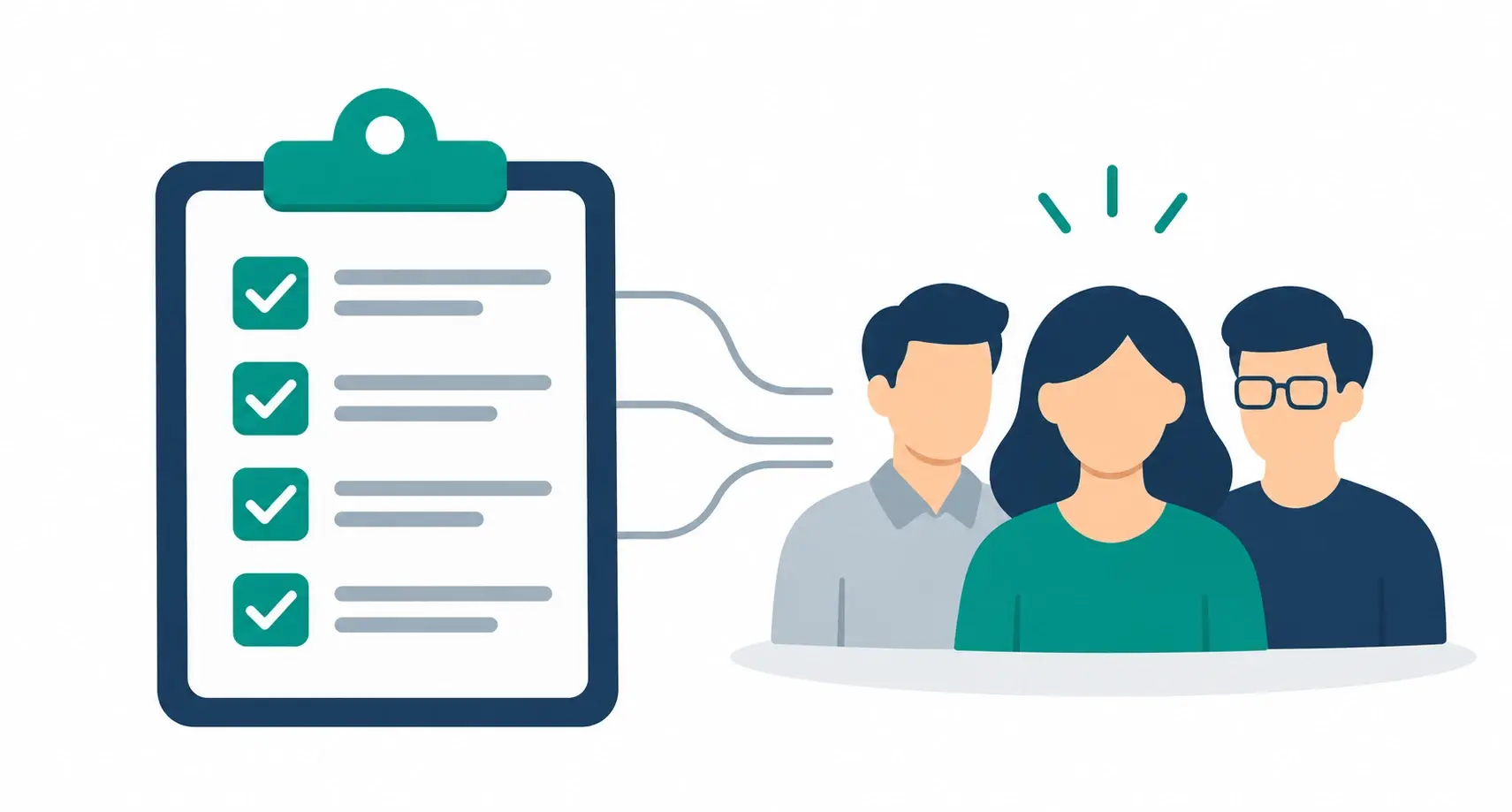
Google has announced a December 2026 core update, and we're already getting the same question from clients: "Should we change something now?"
The truth is: not yet, and not soon. What Google has said, what it hasn't said, and how we would prepare a website to deal with the update without getting too upset.
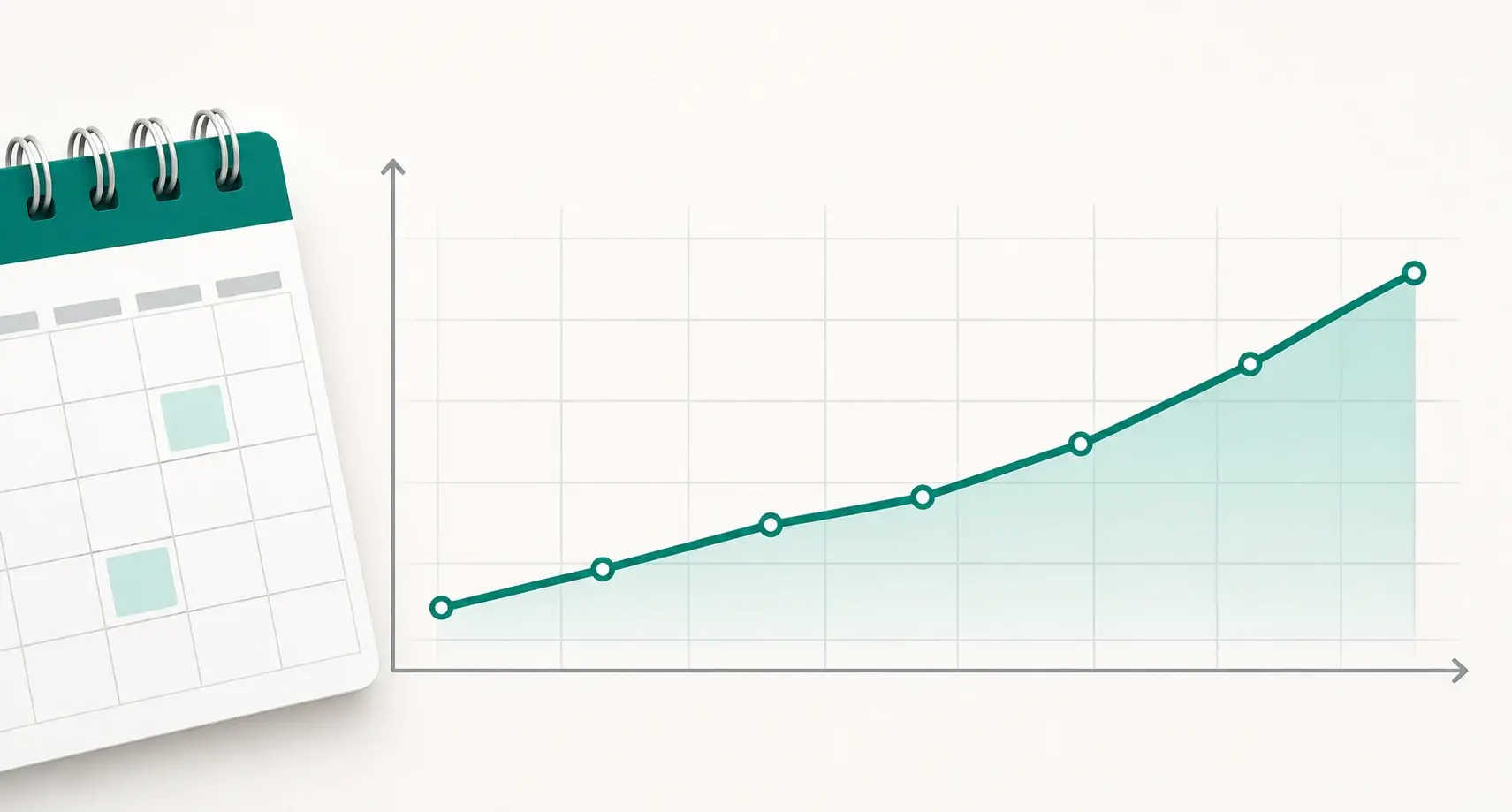
On November 24, 2026, Google posted a notice on its Search Status Dashboard saying a December 2026 core update is coming. The notice explains that the update is a collection of changes to Google's systems to better understand and rank relevant content. Google explicitly states longer and more complicated questions. It also states that the update will enhance the personalised results for those with personalisation enabled.
There are a few things that stand out:
Google has made similar announcements before, but this one is more specific than usual about what the update is supposed to improve. It's still a general description, though. Google doesn't specify what kinds of sites will be impacted or what ranking factors will shift.
It's worth reading the full documentation on Google's own site for core updates, as it addresses a few common misconceptions.
Google defines core updates as "broad changes to our overall ranking systems. They are not targeting any specific website, page, or business type. Google says it updates these systems regularly so that results keep pace with how the web changes. New sites emerge, old sites evolve, and expectations evolve.
It's helpful to think of it as a list you created years ago, like your favourite restaurants. Some locations on the list rise due to their consistently good performance. Others fall out of favor due to the introduction of newer alternatives. A place that falls in the list is not necessarily bad. It's just been outdone by other locations that are more suited to what people want.
That framing matters. When your site drops after a core update, it's usually not just one thing that's broken. In most cases, other pages have been a better response to the same query, at least for Google's systems.
Preparation is not about making changes; it is about being prepared to read the results correctly.
This time there's a practical problem. Google suggests waiting at least one week after the end of an update to assess its impact and then comparing that week to the week prior to the start of the update.
The November update was completed on November 24. The first complete week following that is Nov. 25-Dec. 1. Thanksgiving, Black Friday, and Cyber Monday are all part of that week, and can cause traffic to be skewed for many businesses without any algorithm changes. The December rollout may also begin as early as December 1, so the week you would use to assess the impact of November may be impacted by the changes in December.
In real-world terms, this means that you should not be too quick to draw conclusions from the next few weeks of data. The drop could be from November, or from the early part of December. Make sure your notes are dated and don't make decisions based on a week's worth of notes.

Small movements will be seen at most sites. If the traffic drops significantly and remains low, Google recommends a more structured review.
First, examine the entire site, rather than the pages that failed. Google's guidelines for helpful, reliable, people-first content are the basis for a self-assessment. Consider questions such as these:
Google also recommends that you have others who are not involved in your business review your site with the same questions. A new pair of eyes can see what the owner has ceased to notice.
Then examine the pages that have fallen the furthest and compare them to the pages that are higher than them. Other pages may simply be doing a better job of answering the same question. This is not necessarily a criticism of your work, but it is a piece of information that you can use to make improvements.
Google's advice contains a number of cautions that are worth repeating.
When people hear "E-E-A-T" (experience, expertise, authoritativeness, and trustworthiness), many site owners think it's a checklist that can be turned on. It isn't. E-E-A-T is based on Google's advice to human quality raters and represents the attributes that Google values. It's not a single ranking score that you can boost with a badge or a line of text.
However, the principles behind it are practical, and they align with what Google wants site owners to do:
The easiest test for a business website is one that is useful. Does a client reading this page feel they know you, what you have done, and that they can trust you? If it is not, then it is the gap that needs to be addressed regardless of what the update does.
If you are a small or mid-sized business, our recommendation is to take a short, calm approach:
If your site is performing well, you might want to make no major changes. Otherwise, the above review will tell you where to find it.
Core updates are annoying because they don't come with a checklist. Google's guidance is always the same, and it's the guidance we give our own clients: create pages that assist real people, reveal who is behind them, and continually enhance them over time. Sites that do this tend to recover quicker after an update, and are less vulnerable to fluctuations in the first place.
We create and maintain websites with this in mind at Pansofic Solutions. This involves structure, content, speed, and accessibility, and a review process based on actual data, not speculation. If you would like us to review your site prior to the December update, please contact us, and we will discuss it with you.
Not specifically. Google defines core updates as general changes to its ranking systems. They don't single out individual sites or pages. However, rankings can still change after the rollout, so it's important to monitor your data after the rollout.
Take a baseline now. Download your Google Search Console performance data and GA4 organic traffic for the past few months. Next, annotate in Search Console to indicate the November update (which was completed on November 24) and the December rollout when it starts. This will make it much easier to read the results later.
Google suggests waiting at least one week after the update is complete. Then compare that week with the week before the rollout started. The first clean week after November's update is the same week as the December update, so please be aware that the data is a mixture of the two.
Usually not. Google does not recommend taking extreme measures for minor movements, like a page moving from position 2 to position 4. If a page is already doing well, it's best to leave it alone. A structured review is the next step if there is a large drop across the site that is sustained.
First look at your site overall, rather than the pages that fell. Inquire if your content is actually useful and written for people, and if it demonstrates experience and expertise. Look at your pages and compare them with the pages that are now ranking above them, as they might just be answering the same question in a better way. It can also be beneficial to have an impartial person look at your site.
It varies. It can take days for some changes to take effect, and several months for Google's systems to determine that a site consistently offers helpful and reliable content. There are also smaller updates that occur between the major core updates, so improvements can be seen at any time. There's no guarantee that changes will produce a visible ranking improvement.
E-E-A-T (experience, expertise, authoritativeness, and trustworthiness) is based on Google's guidelines for human quality raters. It's a description of the attributes that Google will be looking for, but it's not a setting or a single score you can plug in. The best way to do this is to create content that is based on real work, display the people behind it, be transparent about your services and pricing, and gain recognition from others over time.


 Seo Admin
Jan 21, 2026
 Seo Admin
Nov 07, 2025
 Seo Admin
Apr 17, 2026
 Seo Admin
Dec 24, 2025
 Seo Admin
Jan 30, 2026